




Talking to Kids About Sex
By Teacher Emil Antoan
Behavioral Technologist, Educator, and Founder of Stage for Kids Global
Forget the Dreaded “Big Talk.” Let’s Talk About Connection.
Let’s be completely honest: when most parents hear the phrase “the sex talk,” their stomachs drop. We picture a heavy, awkward, excruciatingly formal meeting where everyone avoids eye contact, the dog leaves the room out of sheer embarrassment, and we stumble through a robotic speech about biology.
Veteran educator and behavioral technologist Teacher Emil Antoan is here to tell you to take a deep, slow breath. Real trust doesn’t happen in a single, high-stakes interrogation. It happens in a thousand small, everyday moments—in the car, at bedtime, or over a plate of biscuits. Backed by 25 years of classroom experience, Talking to Kids About Sex is a gentle, practical guide designed to help you answer tough questions calmly, teach body autonomy early, and pass on your family values without a single ounce of shame.
Why This Book is an Absolute Lifeline for Modern Parents
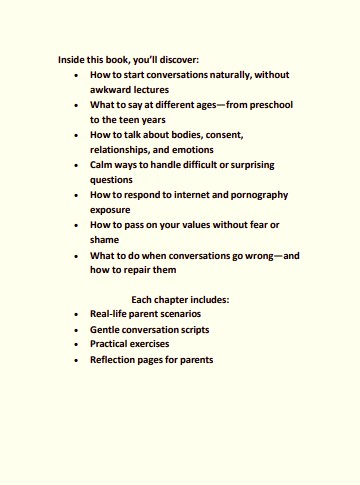
It Shatters the Myth of the Single Lecture: Learn how to replace terrifying, formal speeches with casual, natural “mini-talks” during car rides, grocery store queues, and movie nights.
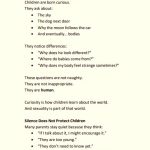
It Establishes Teacher Emil’s Golden Rule: Knowledge protects. Confusion does not. Discover why staying silent doesn’t protect children—it just leaves them at the mercy of the schoolyard, social media, and internet algorithms.
It Focuses on Whole-Child Development: Go far beyond basic anatomy to explore vital topics like consent, emotional boundaries, digital age exposure, and building deep, lasting mutual respect.
It Saves You from Panic Mode: Master exact, real-life conversation scripts and calm response plans for when your child asks a shocking question out of nowhere in the middle of a crowded supermarket.
Inside the Guide: Core Strategies for Honest Conversations
Consent Starts in the Toddler Years (Chapter 7)
Consent isn’t a topic reserved for teenagers—it begins in the quietest, everyday moments of early childhood.
The Body Belongs to Them: When a relative demands a goodbye hug and your child shrinks back, don’t force it. Teach them they can wave or say hello instead, proving that their body belongs to them.
Listening to “No”: When a child says “stop” during tickling or rough play, stopping immediately teaches them that their voice has real power.
Navigating the Digital Age & Accidental Exposure (Chapter 8)
Children today grow up with glowing screens in their pockets, meaning accidental exposure to explicit or unrealistic content can happen with a single misclicked link.
The Safe Harbor Sentence: Teach your child that if they ever see something online that makes them feel confused, uncomfortable, or curious, they can tell you without getting in trouble.
Combating Pornography Myths: Learn how to calmly explain that online content is made for adults, doesn’t reflect real or healthy relationships, and prioritizes shocking performance over genuine emotional connection.
Guiding with Values, Not Fear (Chapter 9)
Fear-based messaging (“Sex is bad,” “Your life will be ruined”) only breeds shame, secrecy, and guilt. Teacher Emil shows you how to anchor your talks in positive values:
Articulating Family Standards: Shift from harsh rules to clear principles, explaining that in your family, relationships are built on kindness, emotional readiness, and deep mutual respect.
The Power of Everyday Modeling: Your children learn more from watching how you speak to your partner, handle disagreements, and respect boundaries than from any lecture you give.
Built For Real Families: Interactive Worksheets & The Parent Pledge
This workbook isn’t meant to sit neatly on a shelf—it is an active, compassionate companion for your parenting journey:
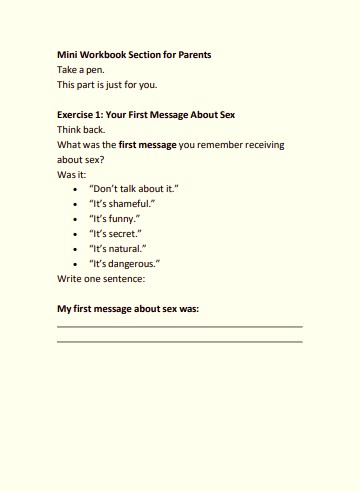
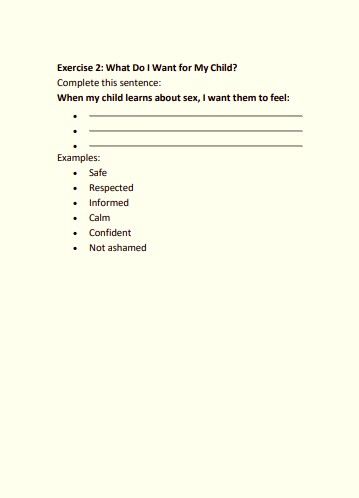
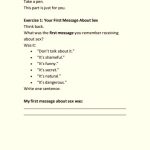
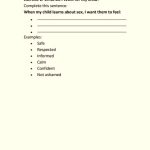
Mini-Workbook Sections: Reflective exercises at the end of every chapter help you process your own childhood messages, identify your fears, and write down your own gentle conversation openers.
Real-Life Scenarios: Step-by-step guides for handling supermarket questions, bedtime whispers, awkward silences, and emotional teen door-slams.
The Official Parent Pledge: A heartfelt, signed commitment to choose connection over control, guidance over shame, and listening over lectures.
You Don’t Need to Be Perfect. You Just Need to Stay.
You don’t need a medical degree, a script memorized word-for-word, or encyclopedic knowledge to talk to your child. You just need to be a safe, honest harbor. When your children know deep down that nothing they say will make you stop loving them, they will never be truly alone.